AI-Enabled Creative Production
Integrated generative AI into a structured content-production workflow, reducing production timelines from approximately nine months to nine weeks while maintaining quality through human review and clear production standards.
CONTEXT
Content production was slow, manual, and difficult to scale across teams and formats.
Research, writing, media development, review, formatting, and publishing required significant coordination, while maintaining consistency in voice, structure, quality, and learning standards created additional production bottlenecks.
Generative AI created an opportunity to accelerate the work, but simply giving teams access to AI tools was not enough.
The challenge was determining where AI could meaningfully improve speed and capacity while preserving the structure, expertise, and creative judgment required to produce high-quality work.
Approach
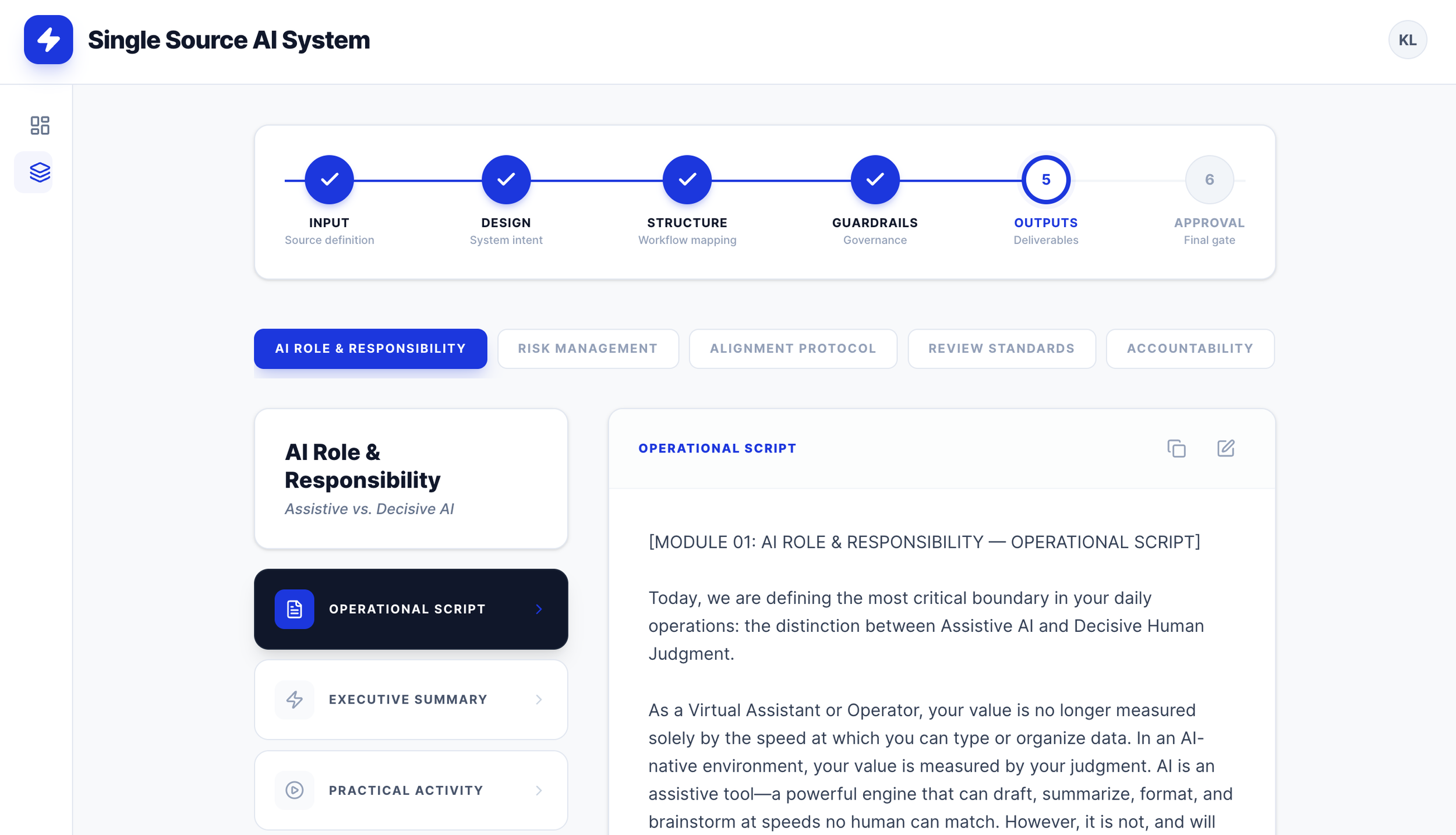
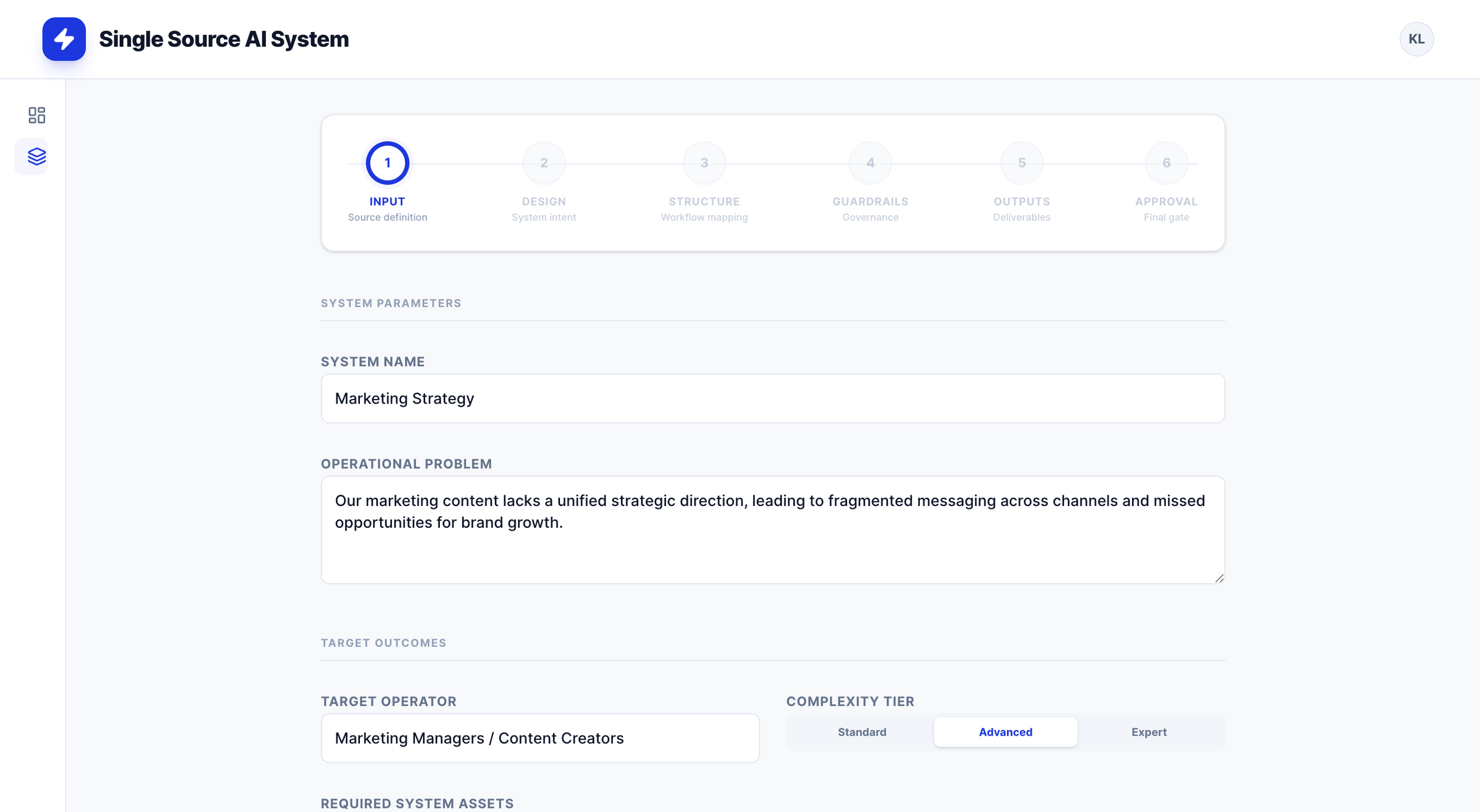
I designed an AI-assisted production workflow that integrated generative tools into the existing creative and content-development process rather than treating AI as a standalone shortcut.
The workflow:
Began with structured source material, standards, learning objectives, and approved briefs
Used AI to support defined stages including research, drafting, iteration, formatting, and asset development
Applied shared voice, structure, formatting, and quality standards
Built human creative and subject-matter review into key checkpoints
Created reusable templates and prompt structures to improve consistency across teams
Established QA standards for accuracy, accessibility, voice, and final approval
The goal was not to automate creativity. It was to remove repetitive production work and create more capacity for judgment, refinement, and higher-value creative thinking.
Impact
Reduced production timelines from approximately 9 months to 9 weeks
Achieved 94% first-pass acceptance on AI-assisted content
Increased production capacity across teams and content formats
Improved consistency in voice, structure, formatting, and quality
Reduced manual coordination and repetitive production work
Created reusable AI-assisted workflows that could scale across future production
The result was a production model where AI increased creative capacity without becoming the creative decision-maker.